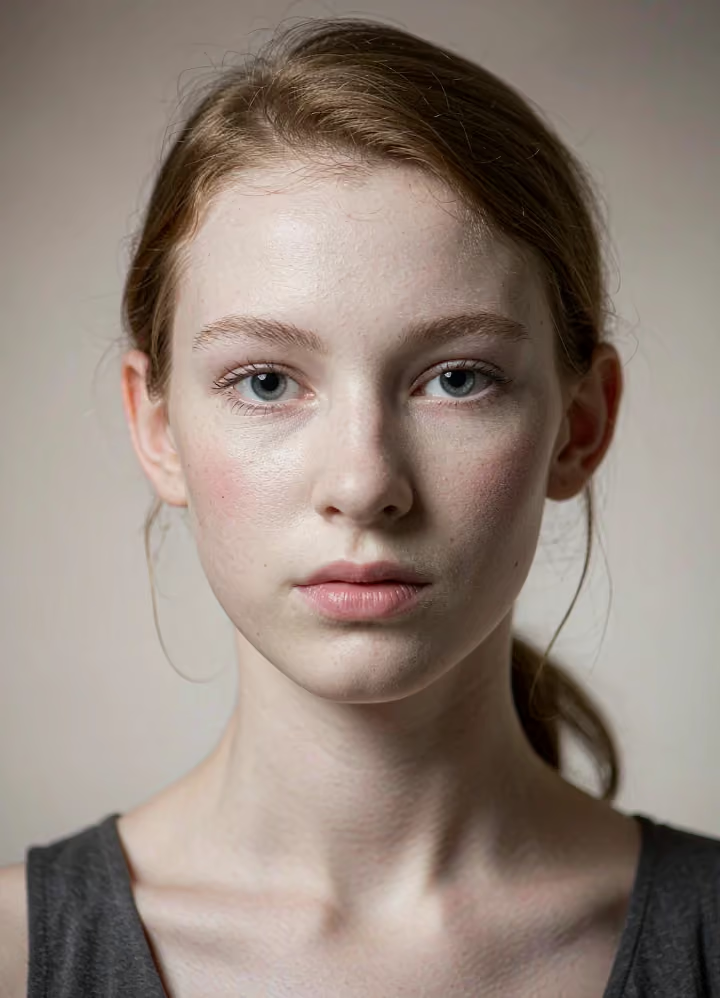
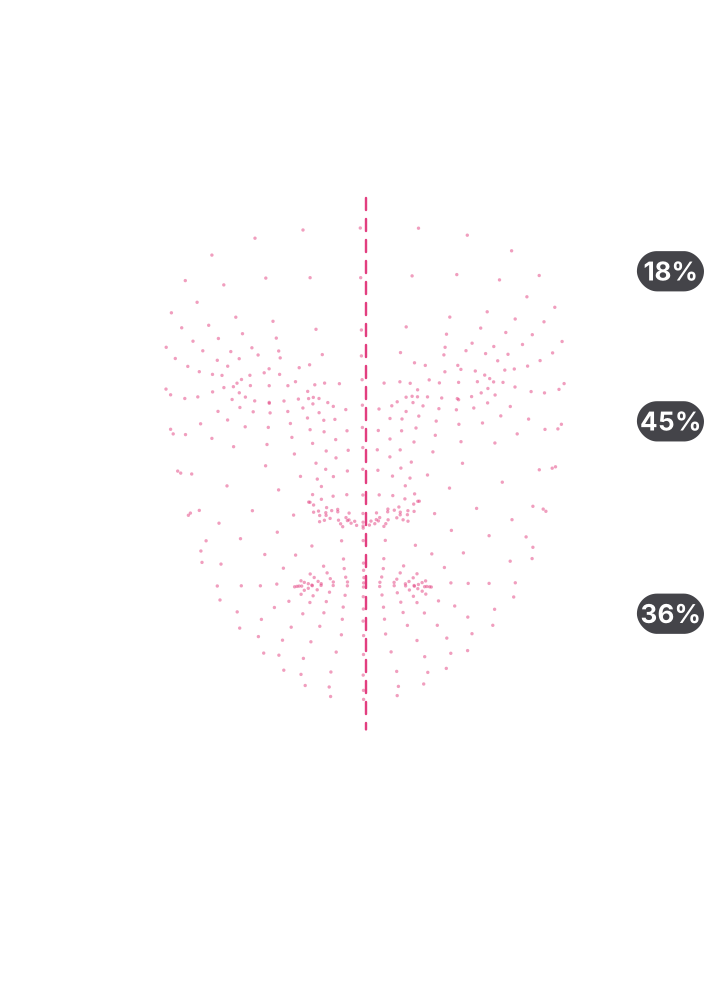
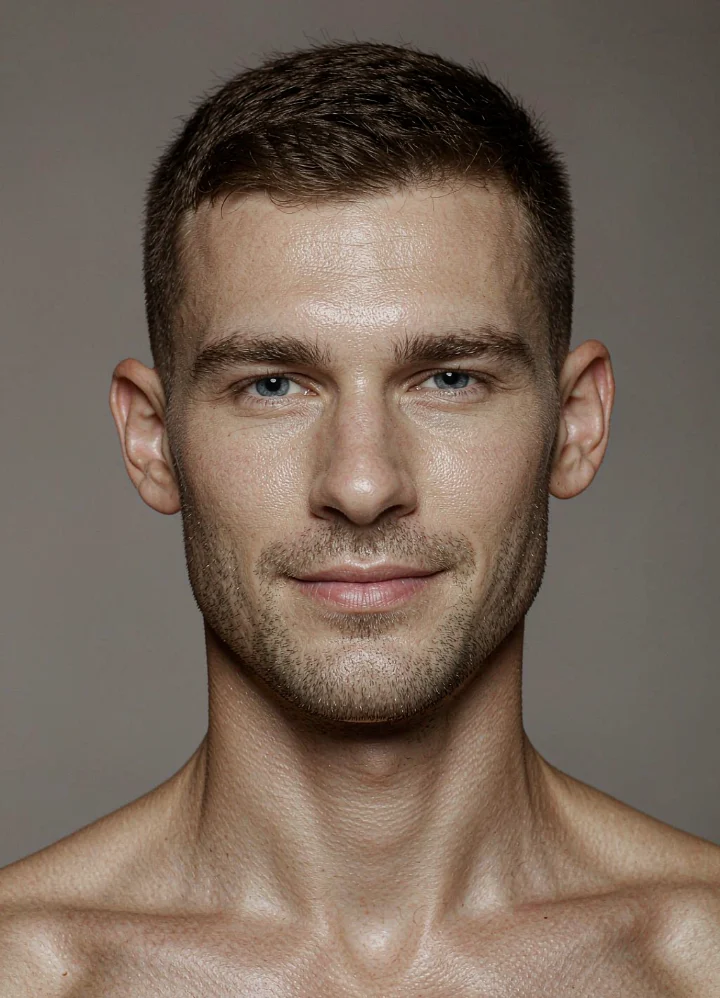
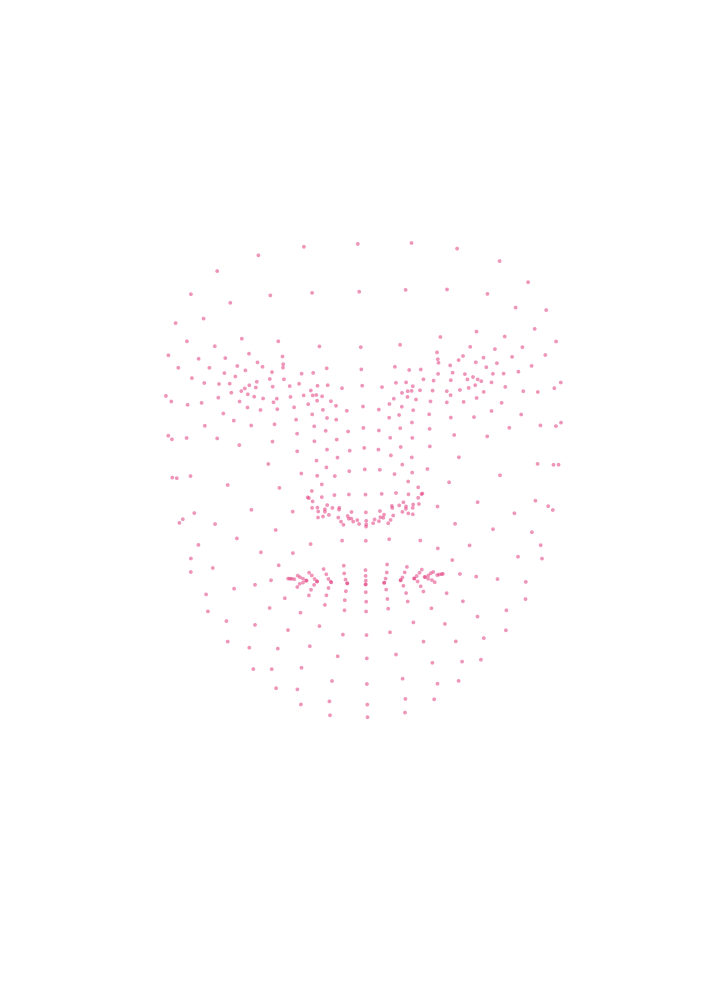
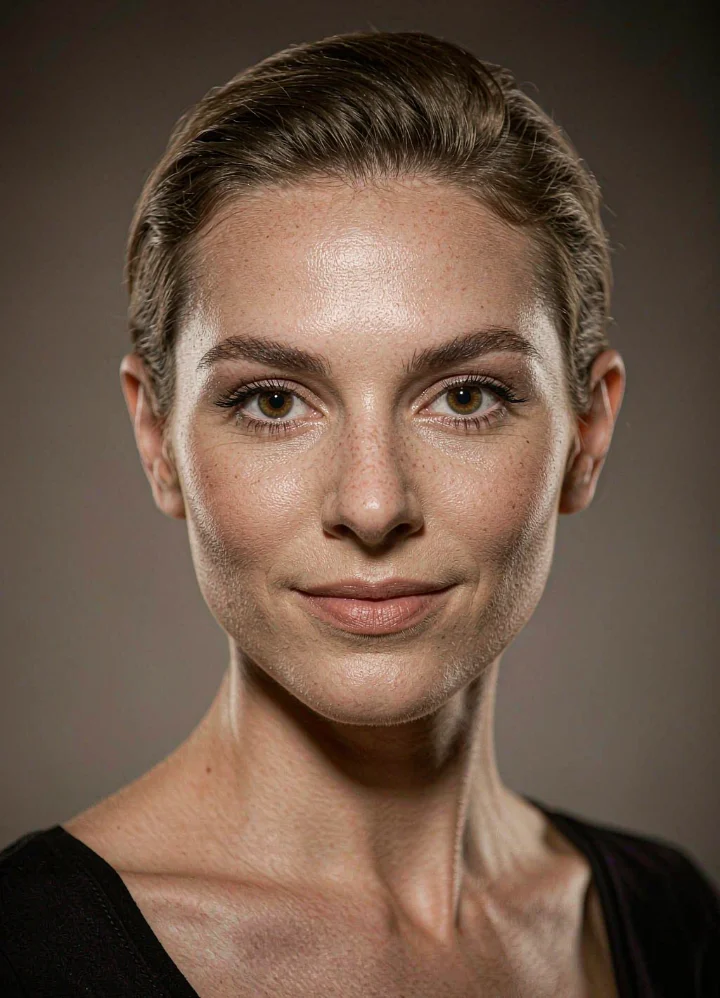
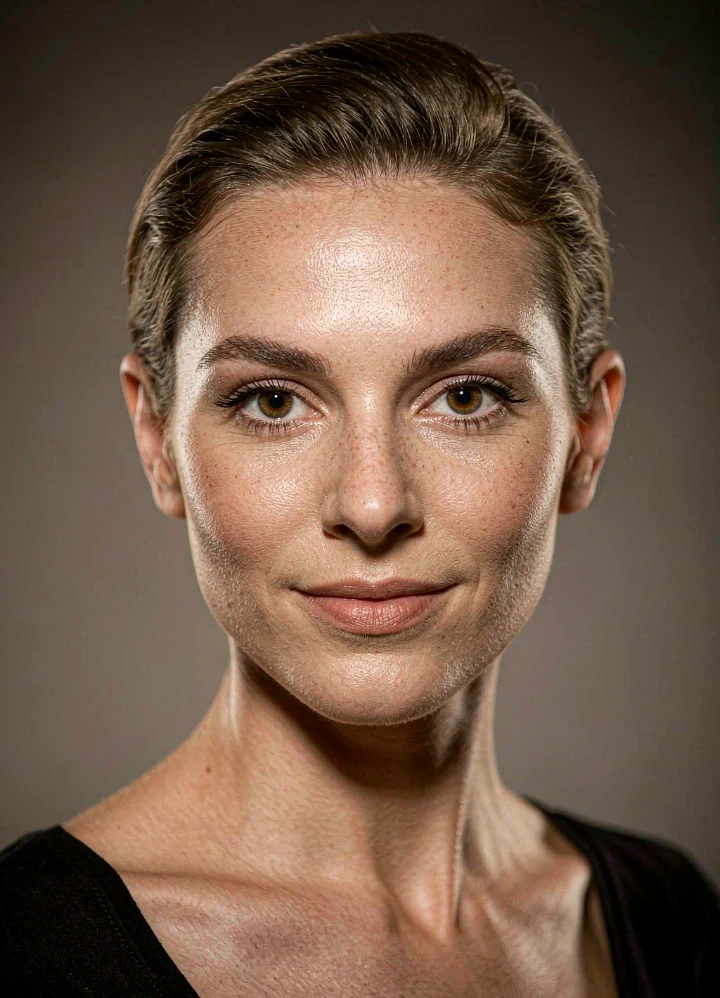
Example: 478 landmarks mapped on sample photos, then measured for symmetry, golden ratio, jaw and fifths. Your own scan runs the same way — on your device.
Free · Private · Instant
Face rating, with the formula shown.
A free, on-device face rating across six published geometry signals — symmetry, golden ratio, jaw, skin and more. Then a real plan for the parts you can actually change. No upload, no account, nothing blurred.
- 478 landmarks
- On-device
- Formula shown
See exactly how the score is calculated · How the 1–10 attractiveness score is built
What the report gives you
Here is what the paid report actually shows
Not a number on a screen — a full read of your face, a styling concept drawn on your photo, and a ranked plan. Everything below is sample data; your report is drawn from your own scan.
Your harmony profile
Six dimensions, exact scores, and what each one means. Sample data
Your styling concept
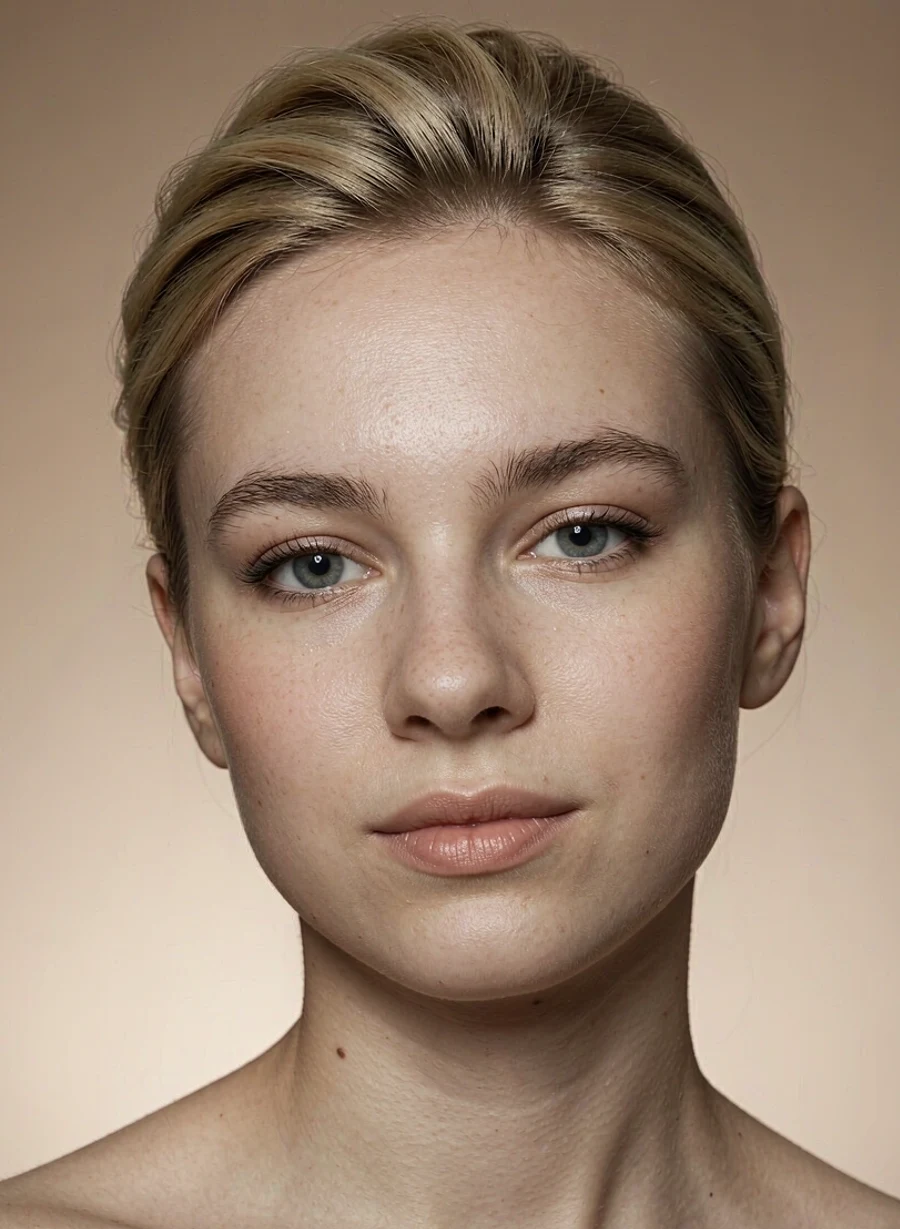
Drawn on your own photo — what changes, what stays. AI-generated illustration
Your ranked plan
- 1 · Brow & frame shapingYour lowest-scoring region. The fastest visible win — one low-cost grooming visit, no surgery.
- 2 · Lighting & camera setupKills the flat-tone trap in two minutes with a ~$12 ring light. Highest score-per-dollar move.
- 3 · Wardrobe anchor colourOne repeatable colour that anchors the frame and reads as intentional across every app.
- 4 · Pose & angle recipeA tested head-tilt and crop that lifts your strongest signals — save it as your default.
Every recommendation is ranked by score gain ÷ cost ÷ effort, with a time-to-first-result. See the full sample report →
How it works
How a face rating works in three steps
The free read is complete and unblurred. The optional report is a separate decision you make afterwards.
Choose a photo
Pick a clear, front-facing shot — or use your camera. It is processed entirely in your browser; metadata is stripped, nothing is uploaded.
See the whole result
A clearly-labelled Score, six geometry bands and an honest list of what the score cannot tell you. Nothing is locked or held back.
Decide what to do
Take the free Photo Checklist, try another tool, or read the one-off reports. No subscription, no auto-renewal, nothing to cancel.
Before / after
What a presentation fix actually looks like
Three of the most common photo mistakes, shown on the same faces with nothing retouched — the crop, the light and the colour are the only things that change. Hold any pair in your head as the difference between "the photo is bad" and "your face is bad".
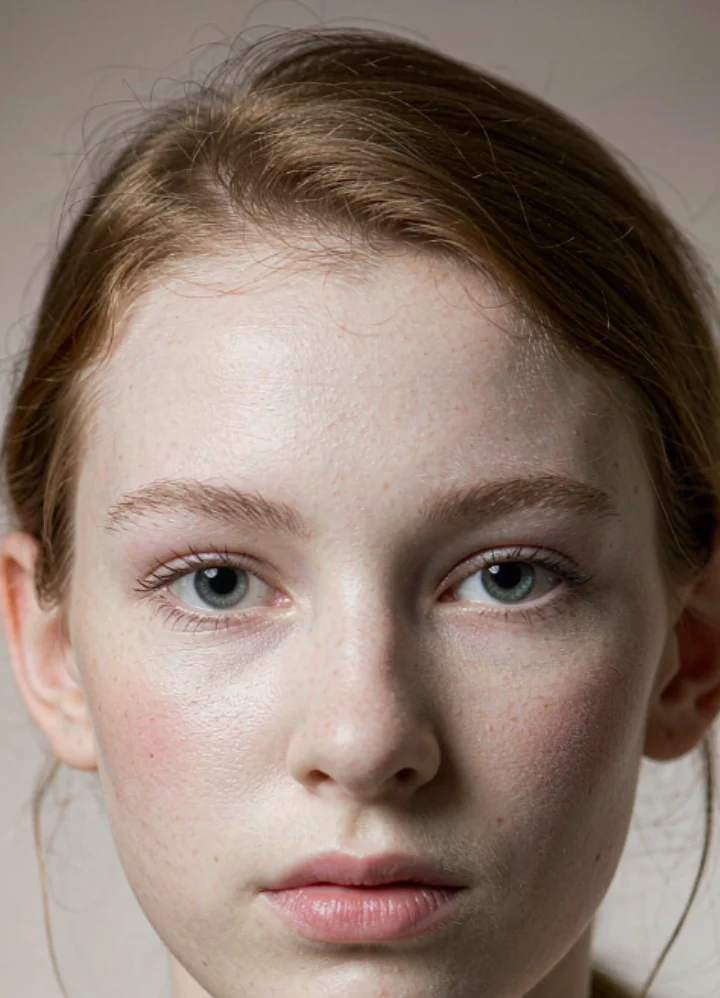
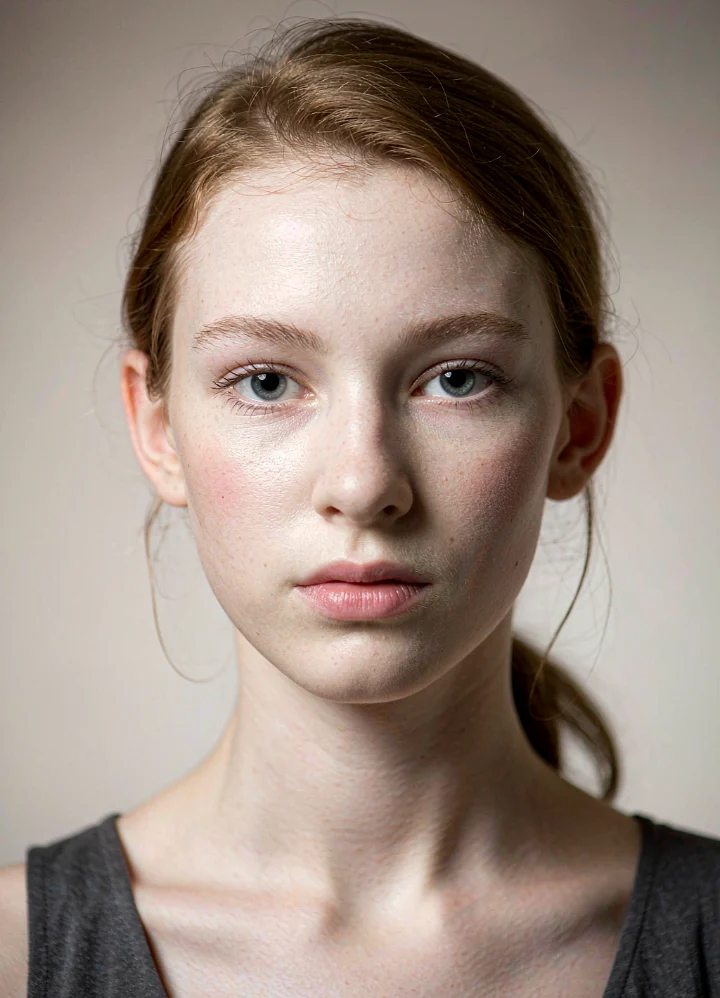
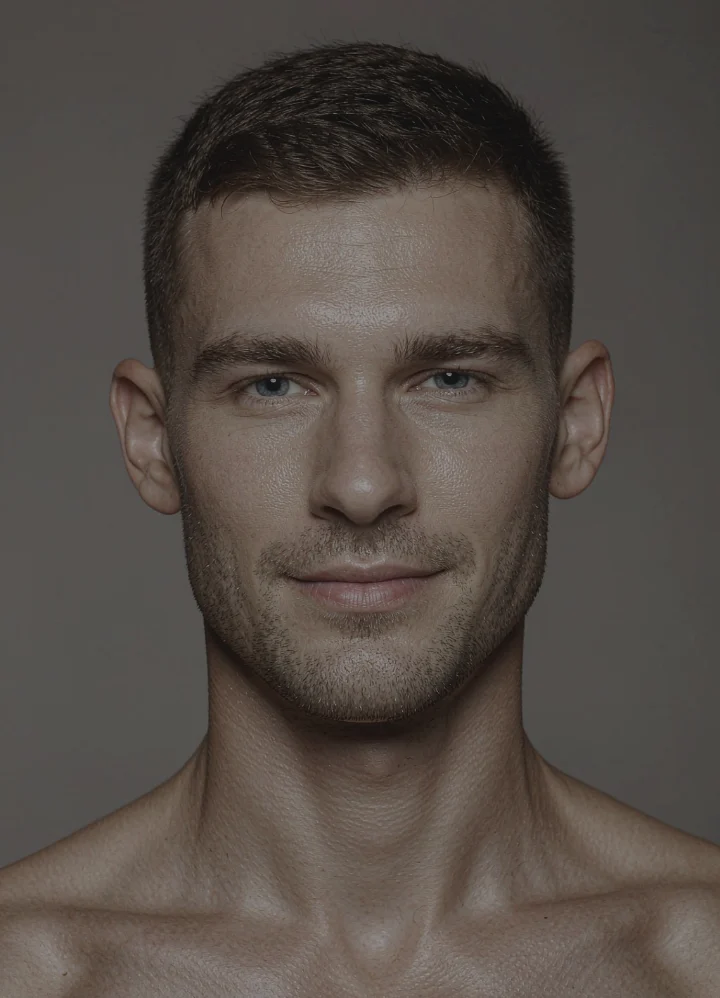
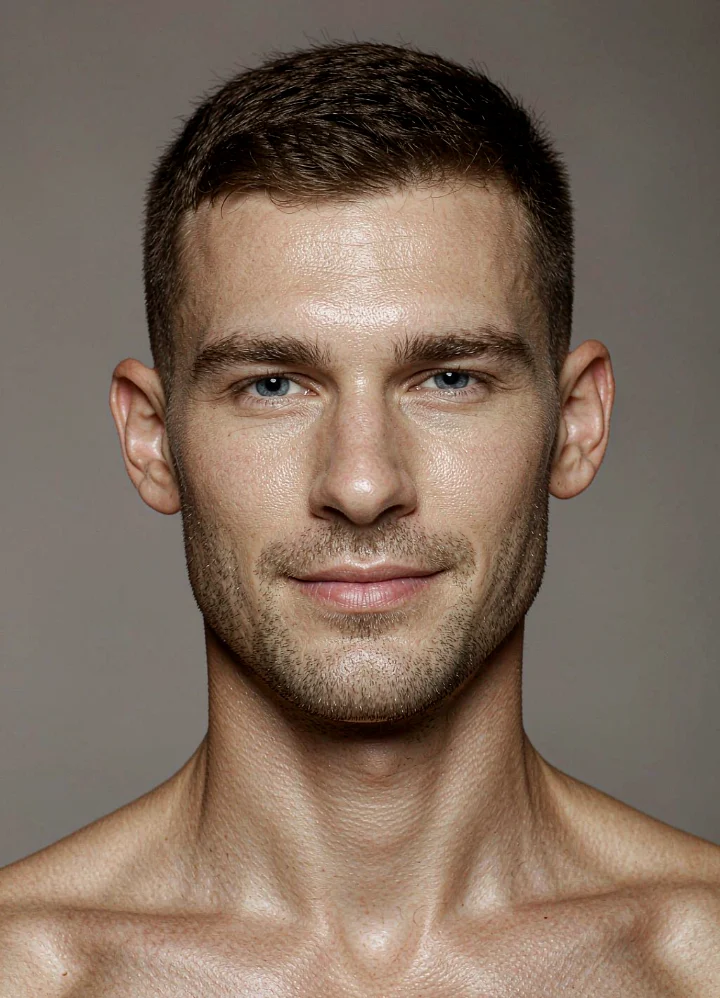
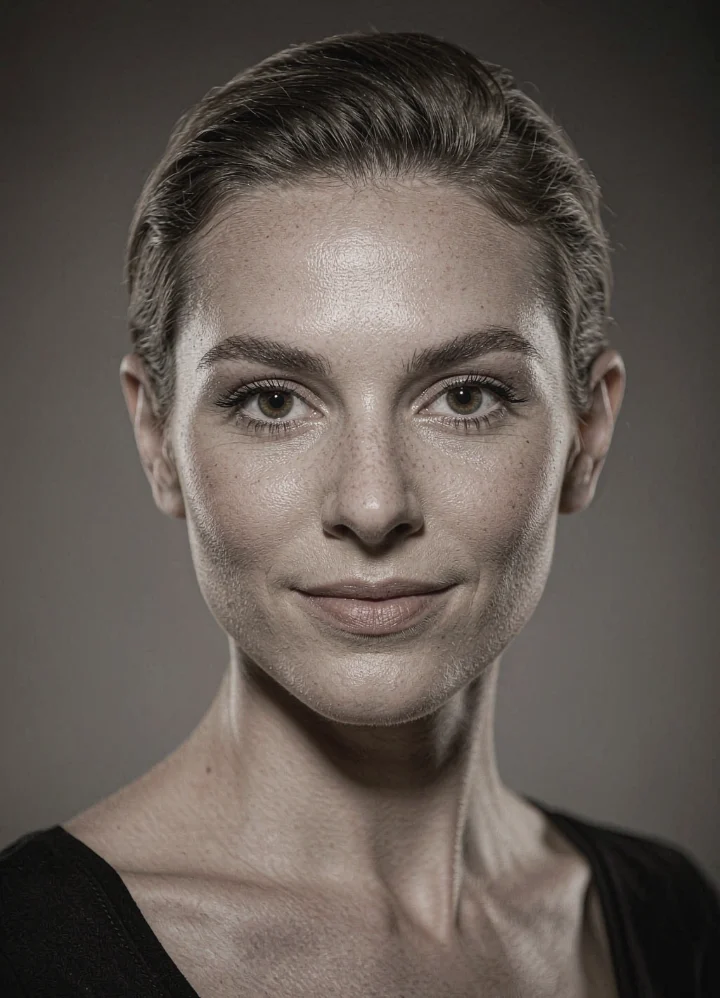
Every "after" here is the same pixels, graded better. See the full before/after inside a sample report →
One-time · no subscription
Start free. Or go deeper when you're ready.
The scan is free and nothing is blurred. The Face Report explains the numbers; the Dating Report adds the whole plan. Pay only for the part you want.
Free tools
Start with a free read
22 free tools. Most run on your device with no upload, no account and no payment.
Attractiveness Test
A free, on-device read in seconds: six weighted geometry signals from 478 facial landmarks, a Score out of 100 and the same number out of 10 — with the formula, the bands and the error bar printed beside it.
Try it freeFace Shape Detector
A broad shape classification (oval, round, square, heart, diamond or oblong) with a match estimate and neutral styling directions.
Try it freeGolden Ratio Face Test
Phi (1.618) is a real number and a weak aesthetic heuristic. We show the math, then we show you why it is not a beauty standard.
Try it freeFacial Symmetry Test
Almost no face is perfectly symmetric, and that is not a problem. This facial symmetry test reads how far your two halves differ, puts the result in a published band, and says what the photograph did to it.
Try it freeAm I Dateable?
We do not give you a dateability score — there isn't an honest one. Six questions about your photos, bio and platform habits produce three things you can change this week.
Try it freeWhich Dating App?
Platform choice is one of the few high-leverage decisions you can make in an afternoon. Four questions, one honest comparison, no paid rankings.
Try it freeDating Profile Analyzer
Instead of grading your face, we grade the five inputs you can edit today: photos, outfit, bio, platform and behaviour. The lowest grade with the best effort-to-impact ratio is your first move.
Try it freeAI image tools · credits
Transform your look with AI
Preview a new hairstyle, a full glow-up, or a younger you — all generated on your own photo. Optional, prepaid, credits never expire. See the difference before you commit.
AI image previews
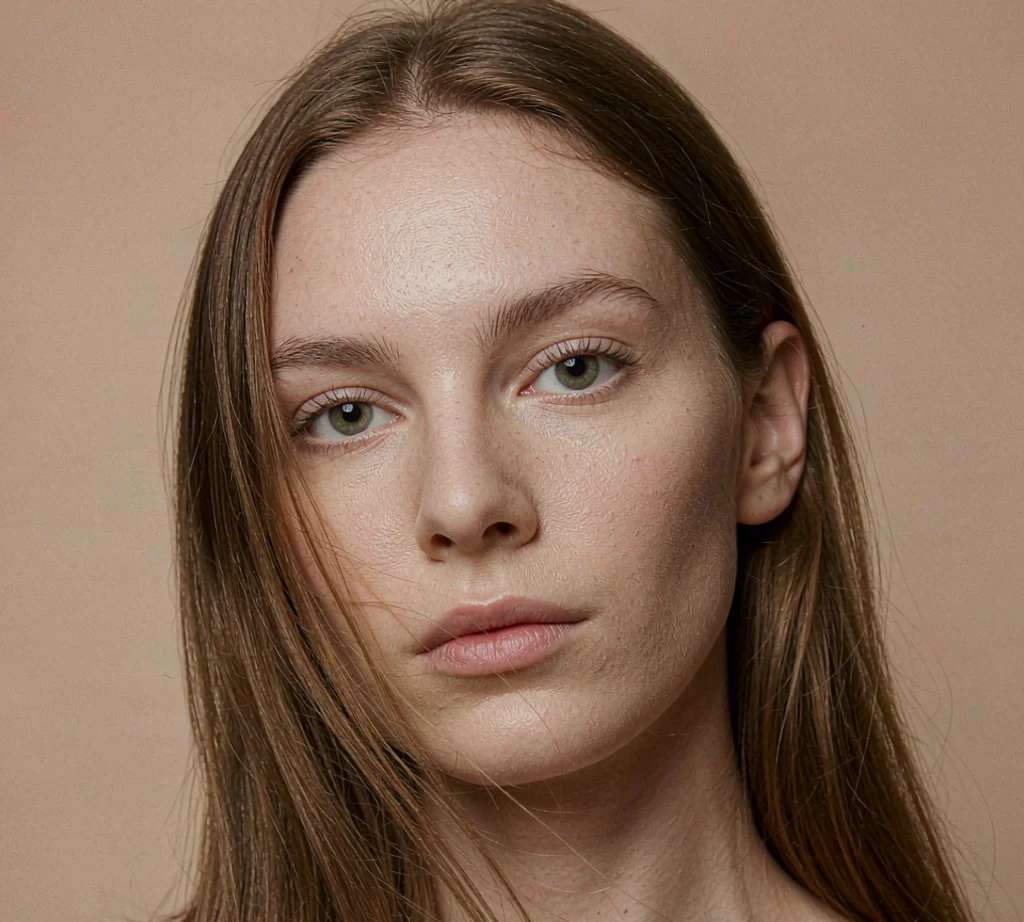
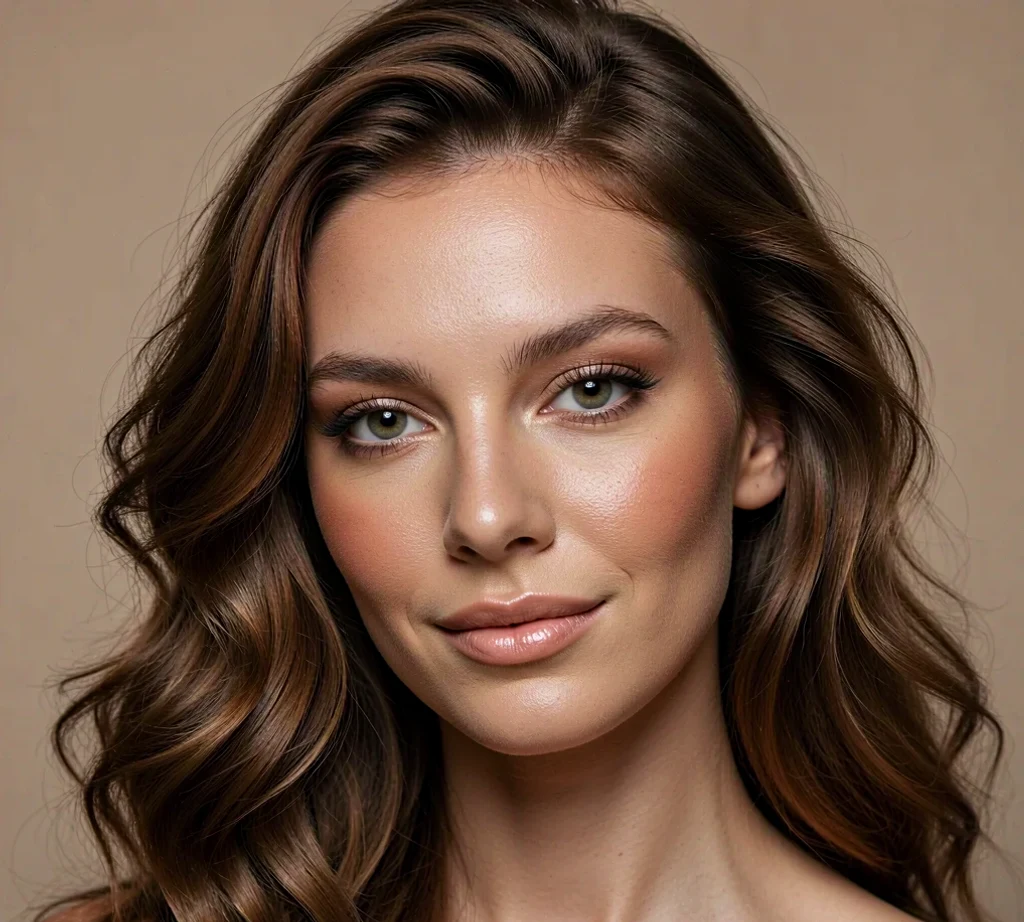
Glow-Up Pack
See your fully polished self — makeup, grooming, skin and style — generated on your own photo, plus four isolated upgrades to compare side by side.
See it on my photo →
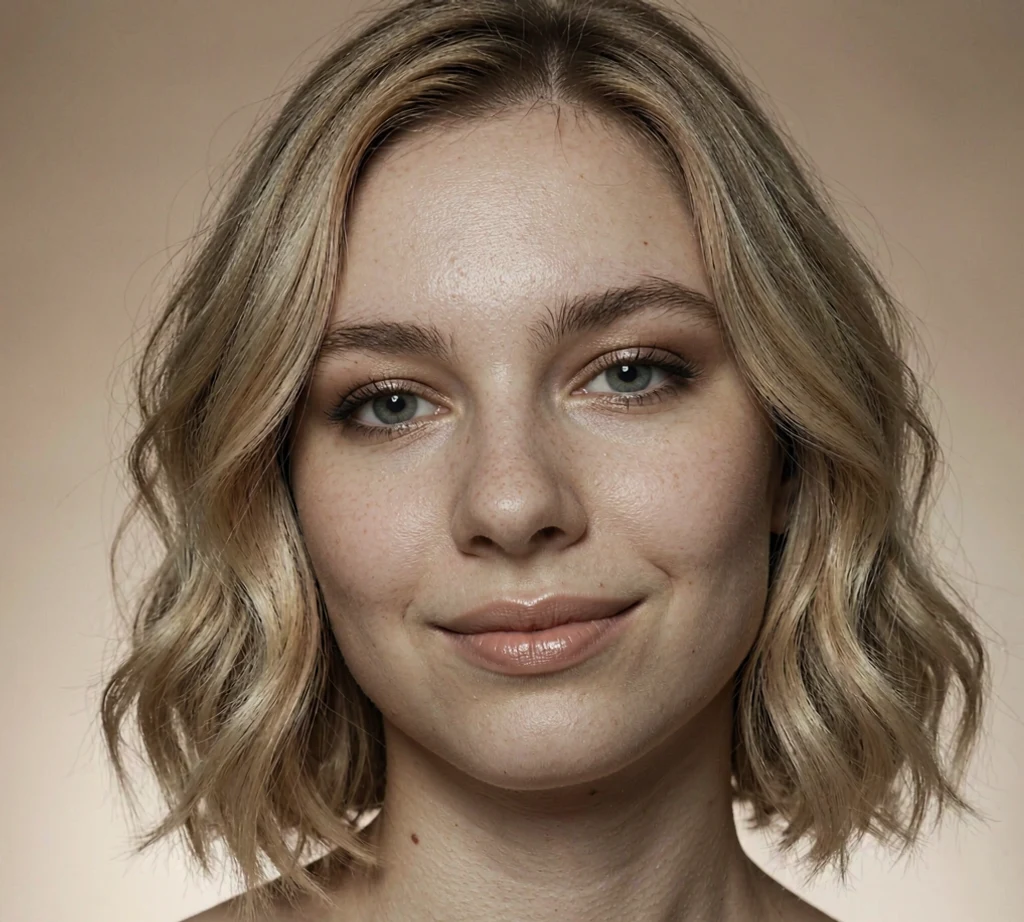
Hairstyle Try-On
Try six salon cuts and colours on your own face before you book, so you never gamble on a bad cut again.
See it on my photo →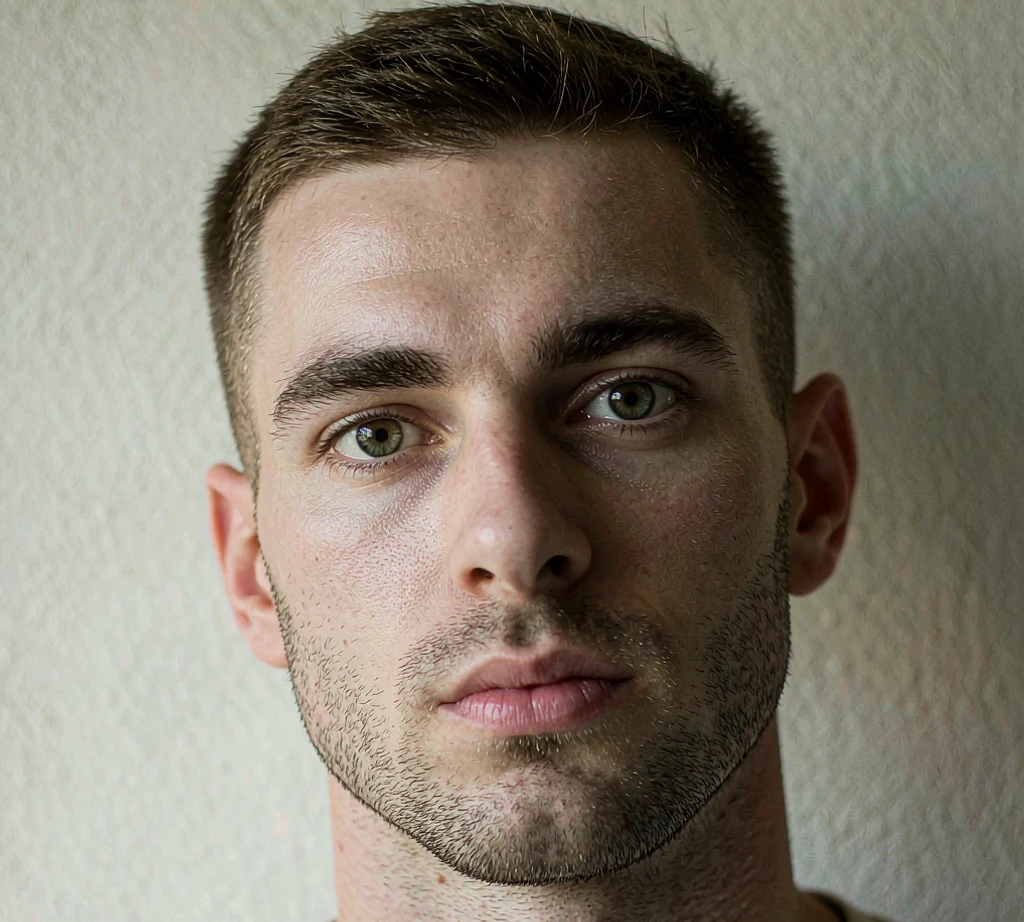

Photo Studio
Stack hair, styling and age changes into one fully styled look on your photo — your mood board, generated.
See it on my photo →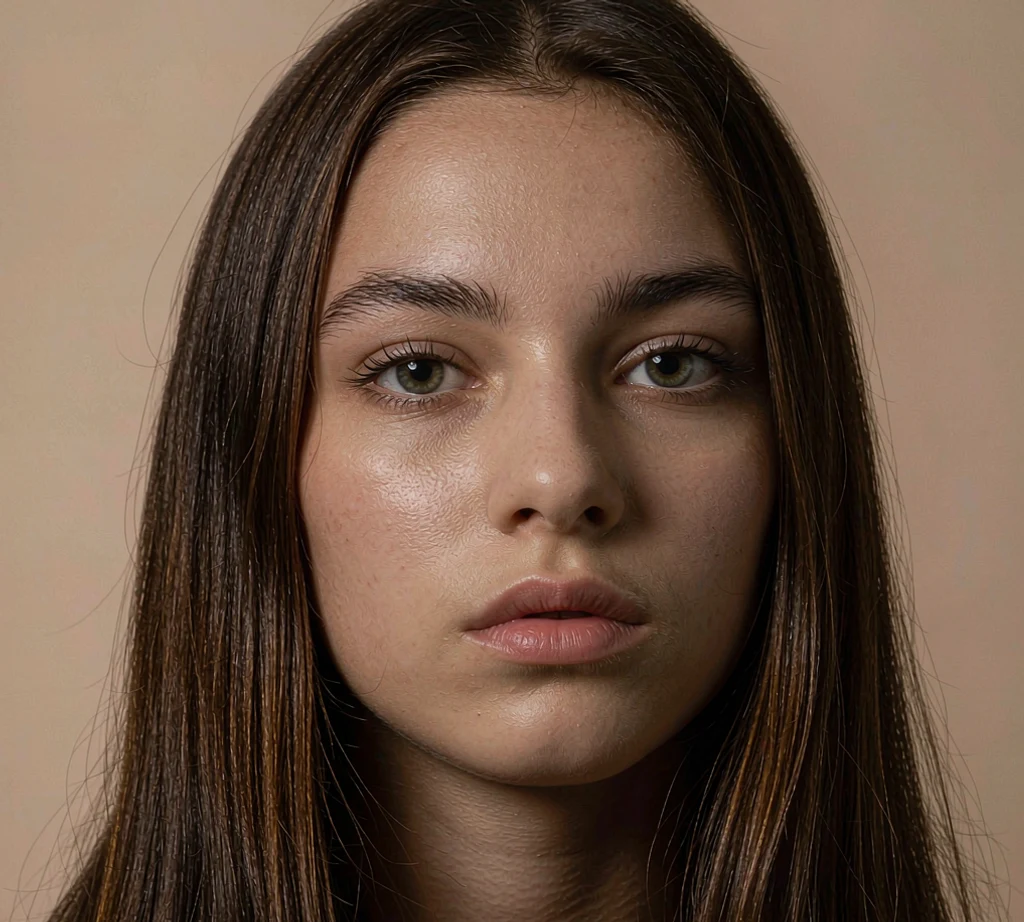
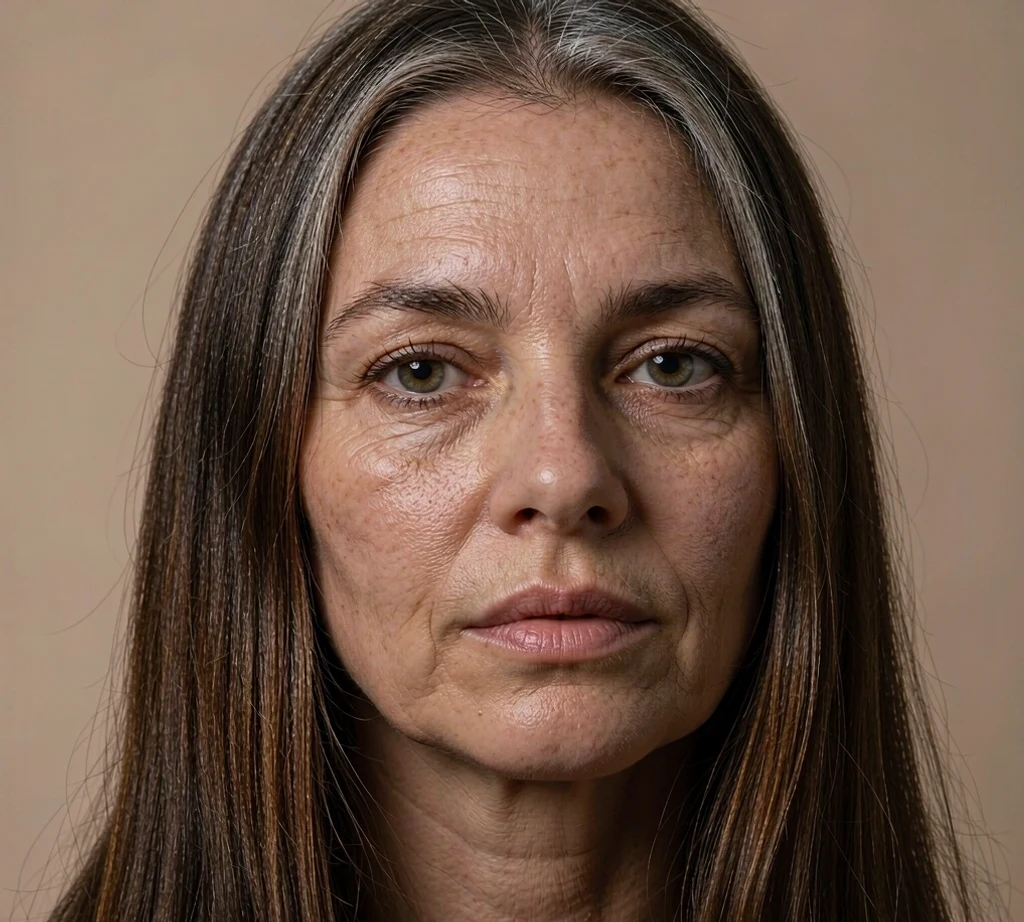
Time Machine
Preview a younger and an older version of yourself, side by side, on your own photo.
See it on my photo →Procedure Preview
A conservative, no-surgery simulation of subtle refinements — see the difference before you ever consult a clinic.
See it on my photo →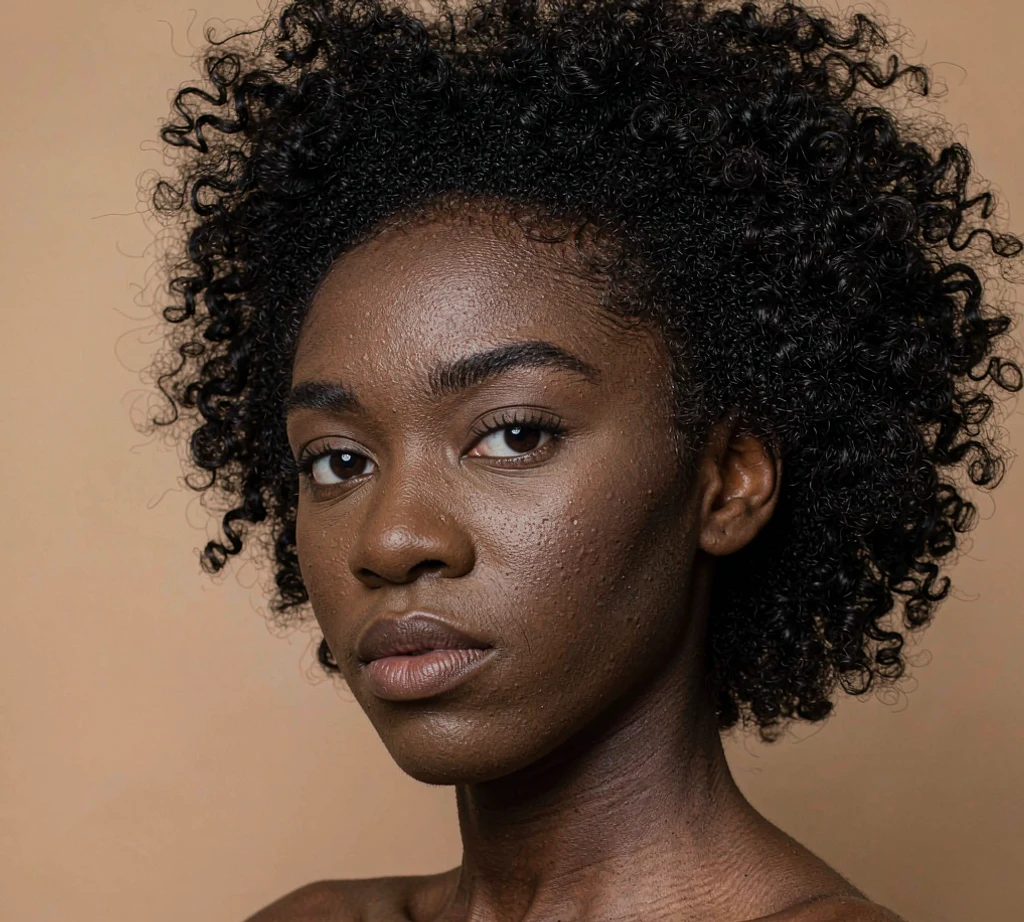
AI decision tools free progress board
Photo Audit
3 dimensions, a fix for each
Run this check →Photo Duel
Which shot wins, and why
Run this check →Progress Check
Your delta since baseline
Run this check →Bio & Opener Studio
3 bios + 5 openers
Run this check →AI illustration no photo needed
How credits work — packs from $8.99 → · See your progress → One pack covers a whole retake-and-compare session.
Formula shown
The face rating formula: six signals, one weak number
We publish the weights because a score you cannot inspect is a score you should not trust.
| Signal | Weight | What it estimates |
|---|---|---|
| Symmetry | 22% | Left/right balance of the eye line, mouth corners and midline. |
| Golden Proportion | 20% | How face width, height and feature spacing sit against a broad reference band. |
| Facial Thirds | 18% | Balance of hairline-to-brow, brow-to-nose-base and nose-base-to-chin. |
| Facial Fifths | 14% | Rough consistency of the five vertical bands across face width. |
| Eye Area | 14% | Eye spacing, lid opening and the tilt of the eye corners. |
| Jawline | 12% | Lower-face width/height relationship and chin-to-jaw taper. |
Score = 0.22·D_sym + 0.20·D_gold + 0.18·D_thirds + 0.14·D_fifths + 0.14·D_eyes + 0.12·D_jaw
Each D term is a 0–100 estimate read from the landmark ratios above. The weighted total is reported as one of four reference bands — 80–100, 60–79, 40–59 or below 40 — widened by a confidence range of ±5, ±8 or ±14 depending on photo quality. Full formula, version string and limitations →
The 70% you control
A face score is a weak signal. Your profile is a set of decisions.
The report turns those decisions into a ranked, costed, time-bounded plan.
What the free read gives you
- A complete Score and band
- Six geometry bands with plain-English notes
- A "what the score can't tell you" summary
- The published formula and version
- No blur, no email gate, no account
What the paid reports add
$12.90 Face Report explains what the numbers mean. $17.90 Dating Report adds the whole prescriptive half.
- Photo & style leverage audit
- Bios, openers and market fit
- A ranked plan and 8-week schedule
One-time, no subscription
Start free. Pay only for the part you want explained.
The scan is free and nothing is blurred. The Face Report is $12.90; the Dating Report is $17.90 and includes it. No trial that turns into a charge, no recurring billing, nothing to cancel.
Free scan
Free forever · no account, no card
- 0–100 Score, with its confidence band
- Your standout strength and highest-leverage area
- Photo Presentation Score total
- All six geometry signal bands
- The published formula and version
- No blur, no email gate, no account
Face Report
26 chapters · diagnostic
- At-a-glance verdict + reference-band position
- First 72 hours and a 4-week plan, up front
- 14 ratios with bands + honest "not scored"
- 2 AI styling concepts, 6 hairstyle cards, 12-season palette
- Web report + PDF, kept 12 months
Dating Report
33 chapters · contains all 26 of the Face Report
- All 26 Face Report chapters, verbatim
- 3 AI styling concepts included, not credit-spent
- Photo audit: 3-photo set, fix list
- Ranked plan + 8-week schedule
- 3 bios, 5 openers, 4 markets ranked
Already bought the Face Report for this photo? The Dating Report upgrade is $5.00 — we match it on your email and that photo at checkout, so buying in two steps never costs more. A new photo is a new report. Compare all three tiers.
If we can't measure it honestly, we say so — before you pay.
Dating standards
The other half of the site: your bar, not your bone structure
Three free reads that answer the question people actually type — before any report is involved, and without putting a number on you.
Dating standards test
Six parts of your bar, graded for how workable each one is. No photo, no score for you.
Take the test →Are my standards too high?
Five self-tests and a preference-versus-rule table — answered before anything is sold.
Read the answer →Dating market value
What the phrase can carry, and why we will not put a number on you.
Read the explainer →Evidence-based guides
Beyond the numbers, what the research actually says
Peer-reviewed sources, realistic timelines and an honest list of what does not work.
Why am I not getting matches?
An evidence-based audit of photos, bio and filters — not your face.
Read the guide →How the Score is calculated
The full formula, six signals, limitations and sources.
See the formula →See a complete sample report
All 33 chapters, rendered with illustrative data, before you pay.
Open the sample →face rating
How a face rating is actually computed
A face rating is a number derived from the geometry of one photograph. It is not a measurement of a person, and it is not a prediction of anything that happens after the photo is taken. This page explains exactly what is computed, how the six signals are combined, and why the scale is deliberately weak. Everything below happens in your browser.
How a face rating is computed from one photograph
The input is a single front-facing image. A 478-point landmark mesh is fitted to it on your device, and EXIF metadata is stripped when the image is redrawn into a canvas. From that mesh we read distances between stable points: the width of the cheekbones, the width of the jaw at its corners, the vertical thirds of the face, the horizontal fifths, and the offsets between left and right pairs. Each distance is expressed as a ratio rather than an absolute length, because a ratio survives a change of camera distance. A photo taken two metres away and a photo taken one metre away should not produce two different answers.
Ratios are then compared with a published reference band. The band is not a population percentile and it is not a ranking. It is the range within which the ratio carries almost no information about the thing people actually want to know. We publish the weights so that anyone can reproduce the calculation by hand from the same landmarks. If a score cannot be inspected, it should not be trusted, and a score that cannot be reproduced is a claim rather than a measurement.
The whole pass takes about a second on a mid-range phone. Nothing is uploaded, no account is created, and no result is held back. The number that appears is the same number the optional reports start from; the free read is complete, not a preview. What the paid products add is interpretation and a plan, never a higher-resolution version of the same digit.
What the six geometry signals measure in a face rating
Six weighted signals feed the headline number: symmetry, proportionality against the golden-ratio reference, lower-face taper, facial thirds, horizontal fifths and skin-quality statistics. Symmetry compares paired landmarks across the mirror axis. Proportionality compares a small set of ratios with a reference value that appears in the literature on average faces. Lower-face taper describes how the jaw width narrows relative to the cheekbone width. Thirds and fifths describe vertical and horizontal spacing. Skin statistics describe evenness of tone and light on this specific image, not skin health.
The weights are not learned from user votes and they are not tuned for engagement. They are fixed constants in the published formula, chosen so that no single signal can dominate the total. A very high score on one signal cannot compensate for a missing or unreliable reading on another: if the mesh cannot place enough points, the tool says so instead of inventing a value. Every signal is reported separately with its own band, because the total is a weak summary and the individual bands are where any honest interpretation has to start.
Two of the six signals are sensitive to presentation rather than to bone. Lighting, camera height and lens distance change lower-face taper and skin statistics measurably, which is why the same face can legitimately produce two different readings. That is a property of the photograph, and it is the reason the site treats presentation as the part worth working on. A number that moves when the light moves is not a stable fact about a person.
Why the face rating formula is published instead of hidden
The weights, the version string and the limitations live on the methodology page. Publishing them is a product decision, not a marketing one. A hidden formula can be adjusted to make results feel more flattering, more surprising or more likely to be shared; a published one cannot change without the change being visible. It also lets a reader disagree with a specific weight rather than with an opaque verdict.
The formula deliberately produces an estimate with a confidence band rather than a precise-looking integer. A point estimate without an error range invites a comparison the underlying data cannot support: the difference between two adjacent bands is smaller than the difference a change of pose can produce. Where a number would imply a distinction the measurement cannot make, the interface prints the band and says what it cannot tell you.
Publishing the formula also fixes a boundary. The score is a function of pixels and landmarks; it has no access to health, personality, ethnicity, age, intent or outcome. Any sentence that turns it into a statement about a person would be a category error, so the interface keeps the number labelled as an estimate for entertainment and self-insight, and keeps the prescriptive half of the site on decisions a person can actually edit.
What a face rating reference band does and does not mean
A reference band answers a narrow question: is this ratio inside the range where the signal is unremarkable, or outside it? The bands are set from the spread of the ratio itself, not from a survey of how attractive anyone is, and they are intentionally wide. Wide bands stop a rounding error or a slight head tilt from changing the label. A reader who retakes the same photo in different light and lands in an adjacent band has not changed; the photograph has.
There is no percentile, no leaderboard and no comparison with other users, because there is no pooled user data to compare against. Nothing is uploaded, so there is no database of faces behind the number. The band is a description of this one image against a fixed rule, computed locally, and it disappears when the tab closes unless you choose to keep a copy in your own browser.
The band also carries no medical or cosmetic meaning. It does not describe skin health, development or symmetry in a clinical sense, and it is not a diagnosis. Where a question needs a clinician, an instrument or a second view, the result says "not scored" rather than offering a guess dressed as a number.
How to read a face rating without treating it as a verdict
Read the six bands before the total. A single weak signal, a shadow across the lower face or a camera held below eye level can move the total more than any stable feature, and the individual bands make that visible. If one band looks surprising, retake the photograph at eye level in even window light and compare. A result that changes is telling you about the setup, which is useful, because the setup is the part you control.
Then separate the measured from the estimated. Ratios read from landmarks are reproducible; the headline number is a weighted summary of those ratios plus image statistics, and it inherits their uncertainty. The site labels which is which so that the number is never mistaken for a measurement in millimetres or a clinical reading.
Finally, keep the number in its lane. It is entertainment and self-insight, produced from one photograph, with a published formula and a published list of things it cannot support. The part of a dating profile that actually moves replies is the first photo, the bio, the choice of platform and the opener. Those are decisions, and this site spends most of its words on them rather than on the digit.
Face rating questions
What does a face rating measure from a single photo?
It measures a set of ratios between 478 mapped landmarks on one front-facing image, combined into six weighted geometry signals with a published formula. It is an estimate about that photograph, not a measurement of a person, and it is labelled with a confidence band.
Why can two face rating results differ for the same face?
Because lighting, camera height, lens distance and pose change the lower-face taper and skin statistics. Ratios are used to reduce the effect of distance, but they cannot remove the effect of a changed angle. Retake at eye level in even light to get a comparable reading.
Is a face rating a percentile or a comparison with other users?
No. Nothing is uploaded, so there is no pool of faces to compare against. The reference band is a fixed range for the ratio itself, set wide enough that a small change of setup does not change the label.
Is the face rating formula public?
Yes. The weights, the version string and the limitations are published on the methodology page. A formula that cannot be inspected or reproduced is a claim, not a measurement.
Can a face rating predict matches or replies?
No. Dating outcomes depend on the first photo, the bio, the platform and the opener. A geometry estimate computed from one image has no access to any of those, and the site never presents it as a prediction.
Please read this before you use the result
- Entertainment & self-insight only. Not medical, psychological, or dermatological advice.
- The Score is a weak geometric signal. It does not predict matches, dates, replies, or your worth.
- Estimated with a lightweight on-device geometry heuristic — not a 478-landmark clinical measurement.
- If a low score is making you feel bad, close the tab. This is a measurement, not feedback that should affect how you see yourself.
Face Rate · Score — dating standards, not a verdict. Entertainment & self-insight only.
One-time · no subscription
Ready to start with the free read?
One clear photo, one honest estimate, and a plan for the part you can actually change.
Where should we send your report? *
Required. Your PDF and permanent link go to this address. Stripe only handles the card — no account is needed. Already signed in? We use your account email automatically.
One payment. No subscription, no auto-renewal, nothing to cancel.
Already own the Face Report? The Dating Report upgrade is $5.00. See a complete sample report first.
Optional, never required
Want the free Photo Checklist instead?
Ten fixes you can make in an afternoon, as a single PDF. We send one honest tip a week — no anxiety marketing, no data selling.
We use double opt-in: we only add you to the follow-up after you confirm the link in the email. The checklist itself arrives right away, whether you tick the box or not. Read our Privacy Policy.
No thanks, take me to the report → see the report